Spend the Day at the Zoo
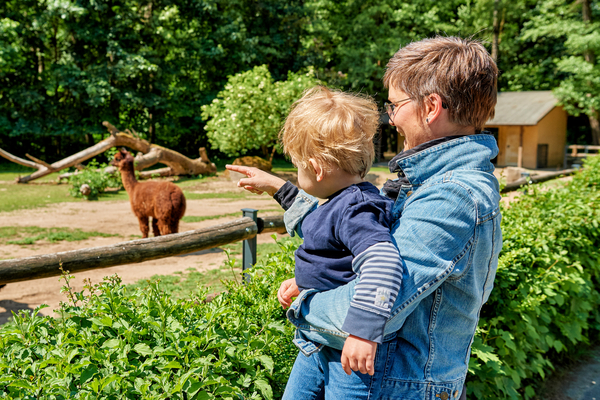
The Nuremberg Zoo stands for species preservation. In the idyllic woodland park with its craggy sandstone formations, you can experience the interaction of a natural landscape and animals.
Welcome to our page featuring selected projects, initiatives and stakeholders in Nuremberg working on environmental, social and economic issues.
Travelling offers the opportunity to discover new places, enjoy memorable experiences and get to know a city from different perspectives. We invite you to explore Nuremberg through the lens of culture, nature and urban society. Discover historic streets and places of remembrance, as well as green oases in the heart of the city, and learn more about the people and initiatives that shape Nuremberg.
Together with partners from the tourism industry, business and civil society, we discuss the specific requirements and measures needed to develop Nuremberg as a sustainable tourism and events destination. On this page, we introduce the Sustainable Network Nürnberg, its goals and members, as well as selected activities.
We also provide inspiration for regional products and services, local businesses and cultural institutions. We highlight places and offers where specific environmental, social or economic considerations play a role.
The Nuremberg Zoo stands for species preservation. In the idyllic woodland park with its craggy sandstone formations, you can experience the interaction of a natural landscape and animals.

A stroll around the Wöhrder Lake, sunbathing in the City Park or a pedal boat tour on the Dutzendteich – the green spaces in Nuremberg invite you to enjoy nature in the heart of the city.
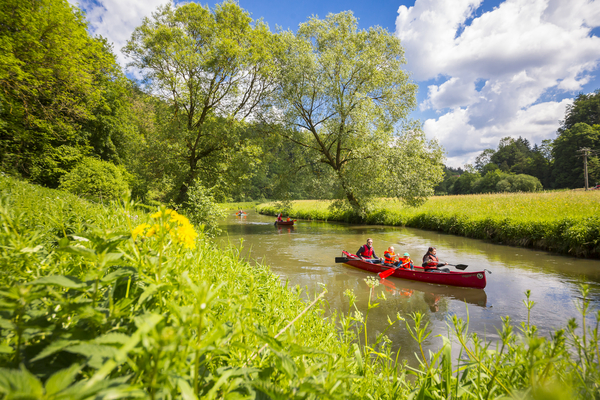
Observe animals in their natural environment, take a canoe trip in Nuremberger Land or climb among the treetops at a high-ropes course. A getaway around Nuremberg is always a good idea.

Discover Nuremberg’s well-known sights and learn more about the city’s environmental, social and cultural topics.

An abundance of bike trails cross in Nuremberg and invite you to bicycle along rivers or between impressive rock formations.

Nuremberg offers a diverse range of vegan and vegetarian cuisine for people who consciously choose to avoid meat or animal products.

At the newly-opened climate forest trail, guests of the Nuremberg Zoo can go for a tree-top stroll. At heights up to 20 meters, adults and children can discover the secrets of the forest in a playful way and learn something about climate change.

Nuremberg and Fürth are home to a variety of urban and community gardens. They provide space for collaborative gardening, exchange and social interaction. Some projects also create habitats for a range of plant and animal species.

The “Global Field” is an educational project which focuses on the relationship of the total global surface area of arable land to the number of people living on the planet. It is an educational platform for topics such as climate change, the environment, health and the fair distribution of resources. It is supported by tours and other educational programs.

Nuremberg’s past as the “City of the Nazi Party Rallies” during National Socialism and its historical and political context can be explored in the Memorium Nuremberg Trials and Documentation Center Nazi Party Rally Grounds museums.

From organic food shops and second-hand boutiques to coffee roasters and stores offering fair-trade or handmade products, Nuremberg offers a wide range of opportunities for conscious shopping.

The “Einmal ohne, bitte” label and the corresponding sticker displayed at shop entrances, bakery, cheese counter and butcher’s counters, as well as in restaurants, supermarkets and many other stores, point customers towards packaging-free shopping options. An interactive map on the website provides information about all participating businesses.

The “Zero Waste Helden” project explains how waste can be avoided and reduced in everyday life. It presents practical options for waste prevention, reuse and reusable systems, along with concrete tips for putting them into practice. In this way, the project supports the long-term goal of significantly reducing the amount of waste generated in the city.

Refill Deutschland is a network of refill stations. At participating locations, visitors can refill their own drinking containers with tap water free of charge. This allows them to avoid buying water in single-use plastic bottles and helps reduce plastic waste. A sticker on the door or at the entrance identifies participating businesses.

“Too Good To Go” has created a marketplace for surplus food. Through the app, users can purchase surprise bags containing unsold but still edible food at a reduced price. This gives food that might otherwise have been discarded a second chance.

The “beach cleaner” initiative provides information on ways to reduce the use of single-use plastic and the amount of plastic waste generated. It highlights practical alternatives for everyday life and organises clean-up events at beaches and other public places.

The open innovation laboratory JOSEPHS presents products and services from various companies that are still in the testing phase. Visitors can try them out and provide feedback free of charge. Through its co-creation approach, JOSEPHS actively involves interested members of the public in the development process and helps turn concrete ideas and suggestions into improvements.

Nuremberg has been active as an “Organic City” since 2003. The city supports projects that promote organic farming, raises the profile of regional organic products and provides information about organic food and sustainable agriculture. Educational programmes for schools explain how organic farming works and how organic products can be identified.

Since 2010, Nuremberg has been committed to fair trade through the “Fairtrade Town” initiative. This includes supporting local initiatives, providing information and increasing the visibility of fairly traded products. The shopping guide provides information about suitable shops and products.

Since 2009, Bluepingu e. V. has been implementing socio-ecological projects in public spaces across Franconia. The association provides information about waste prevention, resource use and other ways of making everyday life more resource-efficient. Its projects include activities to green and revitalise urban spaces. The initiative involves local residents and supports activities that improve the quality of public spaces and urban life.

The “Türen öffnen” project creates opportunities for encounters and cooperation with social initiatives in Nuremberg. Visitors can take part in workshops, get to know local projects and participate in selected activities. The programmes address topics including social participation, integration and civic engagement. They are aligned with the relevant Sustainable Development Goals of the United Nations, particularly the SDGs specifically referenced in each programme.