![[Translate to English:]](/fileadmin/_processed_/7/1/csm_Kaiserburg_Nuernberg__Uwe_Niklas_14_012_fccd3854c2.jpg "[Translate to English:]")
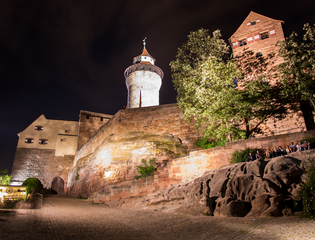
Imperial Castle
Cultural landmark and top attraction of the city
Dive into the impressive history of the second largest city in Bavaria and enjoy the amenities of a lively urban place. Discover how harmonious the interplay of historic buildings and modern architecture can be on a walk through the Old Town. Enjoy the culinary delights of a city with a century-long beer, sausage and gingerbread tradition.
Live history can also be found on the Imperial Castle, Nuremberg's grand landmark. With the historic Memorium Nuremberg Trials, a documentation center in Court Room 600 is accessible to illustrate what happened during the Nuremberg Trials.

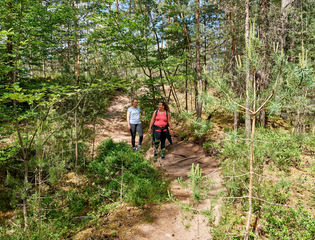
Discover, experience and taste Nuremberg! Whether by foot or on two or four wheels. Our many and varied city tours for groups and individuals bring the old Free Imperial City or the modern City of Human Rights to life! Here, you'll find our wide range of offerings for city tours.

Cultural landmark and top attraction of the city

Your perfect escort! One city card - many opportunities! With the NÜRNBERG CARD + Fürth you have free entry in more than 30 museums and attractions and you can use the NÜRNBERG CARD for unlimited travel in Zone A for 48 hours.
Family-Tip: The NÜRNBERG CARD for KIDS is free for children at the age of 5 and under (when at least one regular card is purchased); children from 6 up to age 11 pay only €12.
![[Translate to English:]](/fileadmin/_processed_/1/e/csm_Haupteingang_GN__Germanisches_Nationalmuseum_ff2929a3fe.jpg "[Translate to English:]")
The largest cultural-historical museum in the German-speaking world
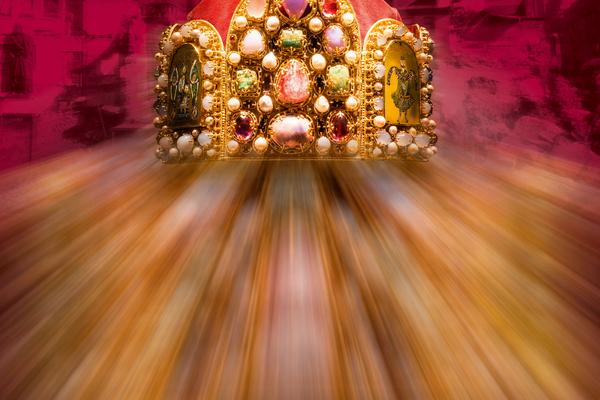
The City Museum (Stadtmuseum im Fembo-Haus) presents costly copies of the crown, scepter and orb of the Holy Roman Empire in an innovative new permanent exhibit.
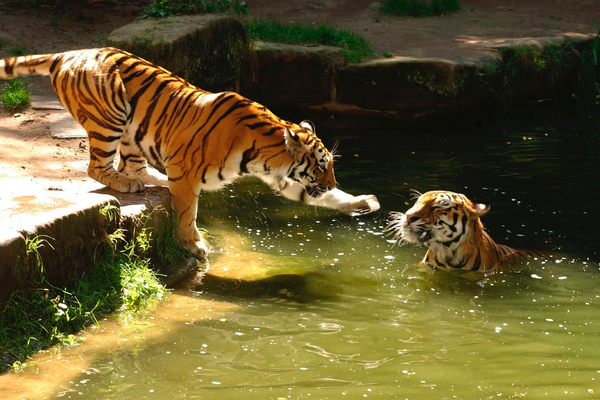
One of the most beautiful zoos in the world
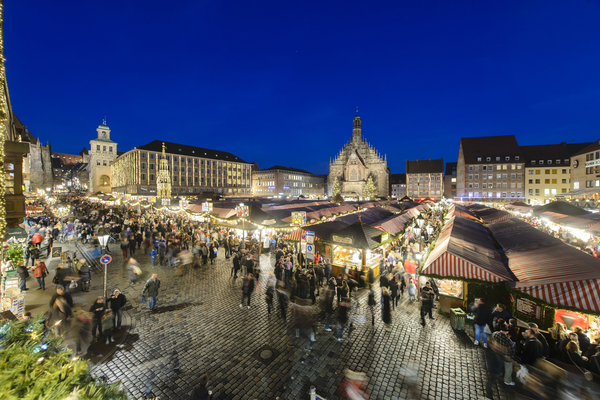
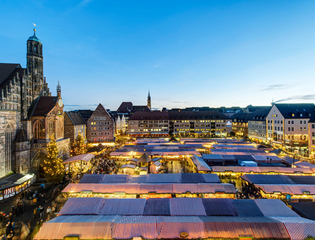
The Nuremberg Christkindlesmarkt is one of the oldest and most famous Christmas markets in Germany.
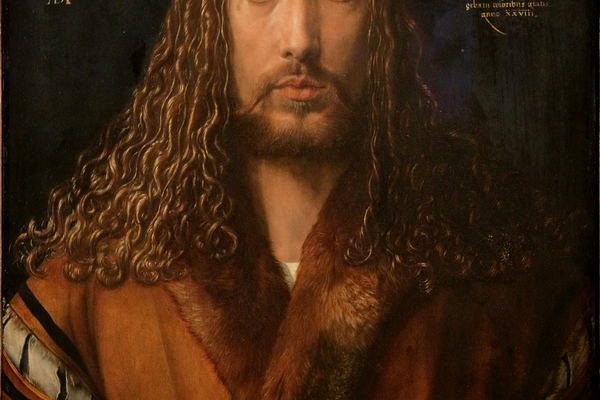
Famous artist and son of the city of Nuremberg
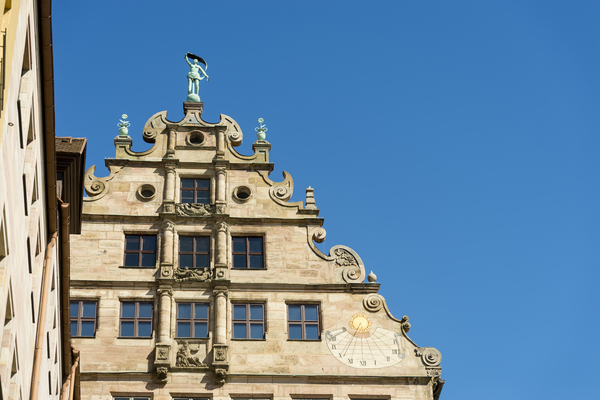
Multimedia tour through 950 years of Nuremberg's history
![[Translate to English:]](/fileadmin/_processed_/5/4/csm_stadtfuehrung_nuernberg_kettensteg2057920_foto_florian_trykowski_8136ceecf3.jpg "[Translate to English:]")
We're looking for reinforcement. Find more information in the job offers.